

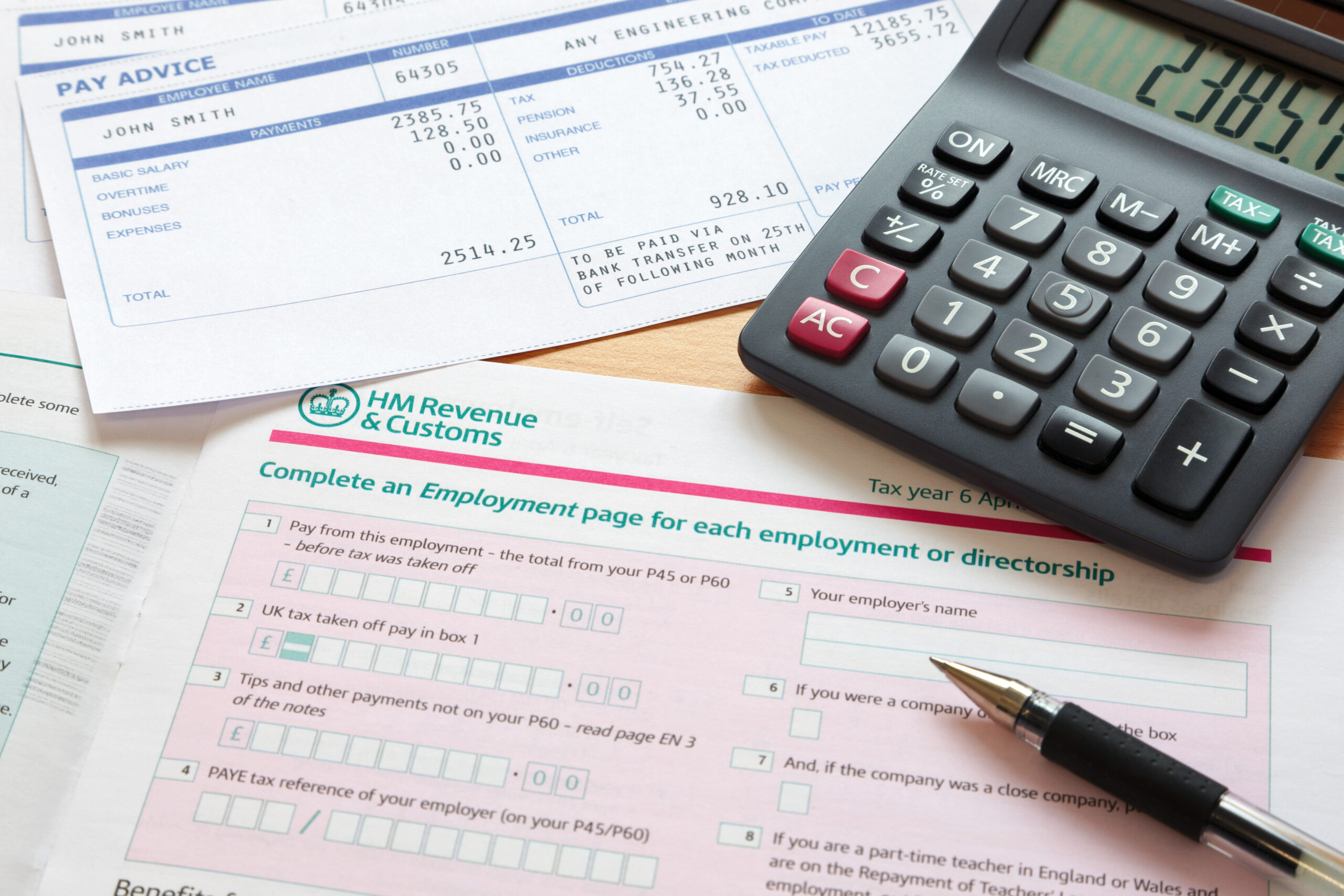
Payroll numbers play an important role in keeping employee records organised and ensuring payroll is processed accurately. Whether you’re an employer managing your workforce or an employee trying to locate your payroll number on a payslip, understanding what this unique identifier is and where to find it can save time and prevent unnecessary confusion.
A payroll number is a unique reference assigned to each employee by their employer. It allows businesses to manage wages, tax records, pension contributions and employment information efficiently while helping reduce the risk of administrative errors. Unlike personal information such as your National Insurance number, a payroll number is created for internal business use and helps payroll systems identify employees quickly and securely.
Whether payroll is managed in-house or by experienced accountants in Bury, payroll numbers are an essential part of maintaining accurate records and ensuring employees are paid correctly.
This guide explains what a payroll number is, why it matters, where you can find it and what to do if it’s missing. It also looks at common payroll number issues and explains how payroll numbers differ from other employee identifiers.
Understanding Your Payroll Number
A payroll number is a unique combination of letters, numbers, or both that an employer assigns to an employee for payroll administration. Sometimes referred to as an employee number or staff ID, it allows employers to identify each member of staff within their payroll system without relying solely on personal information.
Payroll numbers help businesses organise employee records efficiently while improving accuracy across payroll, pension contributions, tax reporting and other employment-related processes. Although payroll numbers are not a legal requirement, many businesses choose to use them because they simplify payroll administration and reduce the likelihood of errors. Whether a business employs five people or five hundred, assigning unique payroll numbers makes managing employee records much more efficient.
Businesses working with a specialist payroll company Bury organisations trust often find payroll numbers particularly useful for maintaining consistency across payroll software and accounting systems.
Why Are Payroll Numbers Important?
A payroll number does far more than simply identify an employee. It supports accurate payroll processing and helps businesses maintain organised employment records throughout an employee’s time with the company.
Unique Identification
Every employee receives their own payroll number, reducing the risk of confusion where staff members have similar names. This helps ensure salaries, tax records and employee benefits are allocated correctly.
Efficient Payroll Processing
Payroll systems use employee numbers as a consistent reference point when processing salaries, overtime, bonuses, deductions and statutory payments, helping payroll run more smoothly each pay period.
Accurate Record Keeping
Payroll numbers make it easier to manage employee records, tax information, pension contributions, holiday entitlement and historical payroll data in one central location.
Compliance and Auditing
During payroll audits or HMRC compliance checks, payroll numbers provide a reliable method of tracing employee records and verifying payroll information accurately.
Improved Internal Communication
HR and payroll teams frequently use payroll numbers when discussing employee records or resolving payroll queries, ensuring everyone is referring to the correct individual.
System Integration
Many businesses integrate payroll software with accounting systems, HR platforms and time-tracking software. Payroll numbers help ensure employee information transfers correctly between systems without duplication or errors.
Finding Your Payroll Number on a Payslip
For Employers
If you’re an employer, your payroll software will usually generate and store payroll numbers automatically. You can typically find them within the employee records or settings section of your payroll system.
If you outsource payroll, your payroll provider should also have access to employee payroll numbers and be able to provide this information when required.
Alternatively, payroll numbers may also be stored within your HR records or employee personnel files.
For Employees
The easiest place to find your payroll number is on your payslip. Most employers display the payroll number alongside your personal details, National Insurance number or tax code near the top of the document.
If your employer provides access to an online employee portal, you can usually locate your payroll number by logging into your account and viewing your payroll profile or recent payslips. If you’re still unable to find it, your HR or payroll department will be able to confirm your payroll number.
How to Find Your Payroll Number Without a Payslip
If you don’t have access to your latest payslip, there are still several ways to locate your payroll number.
Check Your Employment Contract or Starter Documentation
Some employers include payroll numbers within contracts of employment or welcome packs issued when you join the business.
Employee Self-Service Portal
If your employer uses payroll software such as Sage, BrightPay, Workday, ADP or PeopleHR, your payroll number may be available within your employee profile.
P60 or P45 Forms
Payroll numbers often appear on year-end tax documents or when leaving employment.
Contact Your HR or Payroll Department
This is usually the quickest option. After confirming your identity, they can provide your payroll number directly.
Review Your Bank Statements
Some employers include a payroll reference or employee number alongside salary payments, although this isn’t always the case.
Payroll Number vs PAYE Reference: What’s the Difference?
Although they are often confused, a payroll number and PAYE reference are completely different.
A PAYE reference identifies an employer’s PAYE scheme with HMRC. It usually follows a format such as 123/AB456 and is used when reporting Income Tax and National Insurance contributions.
A payroll number, on the other hand, is an internal reference assigned by your employer to identify individual employees. It has no legal status outside your employer’s payroll system.
Payroll Number vs National Insurance Number
Payroll Number
A payroll number is issued by your employer and is used internally for payroll processing, attendance records, pension administration and employee management. It may change if you move employer or if your employer changes payroll systems. It usually appears on your payslip or within your employee portal and has no legal or tax status outside your employer’s organisation.
National Insurance Number
Your National Insurance number is issued by HMRC and remains with you throughout your working life, regardless of how many employers you have. It is used to record your Income Tax and National Insurance contributions and acts as your personal identifier for tax purposes. A National Insurance number typically follows the format AB123456C.
Common Payroll Number Problems
Although payroll numbers are designed to simplify payroll administration, issues can occasionally occur.
Duplicate Payroll Numbers
Accidentally assigning the same payroll number to two employees can create payroll errors and confusion within employee records.
Missing Payroll Numbers
Sometimes payroll numbers are omitted from payslips or employee records, making it more difficult to identify payroll information or resolve queries.
Inconsistent Payroll Numbers
If payroll software, HR systems and accounting platforms use different employee numbers, inconsistencies can arise across records.
Confusion with Other Identifiers
Employees sometimes mistake their payroll number for their National Insurance number or PAYE reference, leading to unnecessary confusion when completing forms.
Incorrect Data Entry
Manual errors when entering payroll numbers can result in salary delays, incorrect payments or inaccurate employee records.
Reusing Previous Payroll Numbers
Assigning an old payroll number to a new employee can create duplicate records and cause compliance issues later.
Working with experienced accountants in Bury or outsourcing payroll to a trusted payroll company Bury businesses rely on can help reduce these risks by ensuring payroll records remain accurate and fully compliant.
Final Thoughts
Although your payroll number may seem like a small administrative detail, it plays an essential role in ensuring payroll is processed accurately and employee records remain organised.
Understanding where to find your payroll number, how it differs from other employee identifiers and what to do if problems arise can help avoid unnecessary delays and confusion.
If you’re an employer, maintaining accurate payroll records is essential for both compliance and efficient business operations. Whether you manage payroll internally or choose to outsource it, ensuring employee payroll information remains up to date helps support a smooth payroll process for everyone.
Disclaimer
Please note that this article is intended for general informational purposes only and should not be considered financial or legal advice. For guidance specific to your business or personal circumstances, we recommend speaking to a qualified accountant or payroll professional.
